


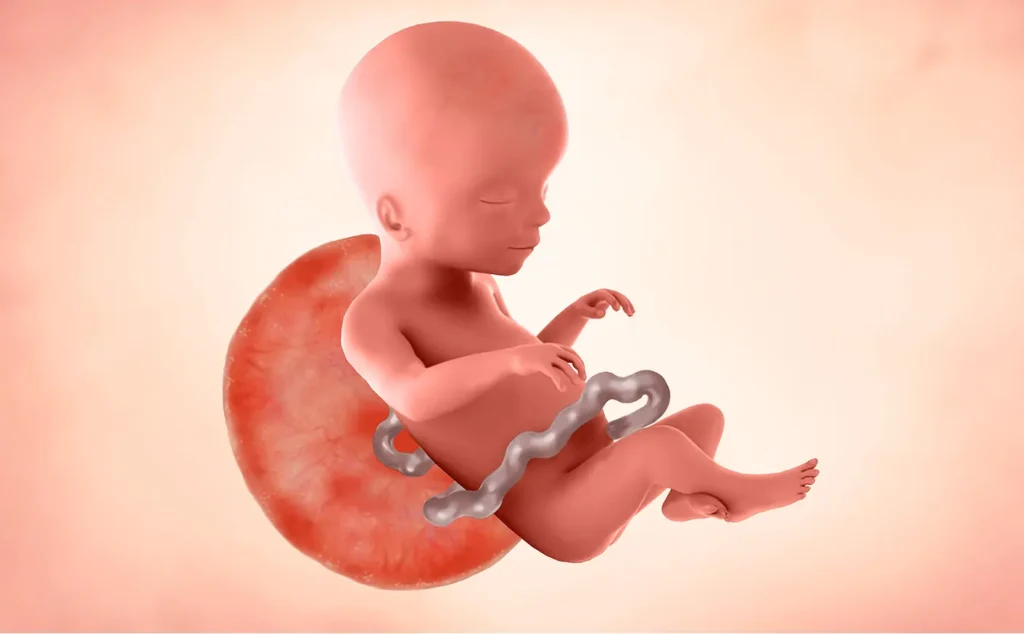
With plenty of space in the womb, your baby has room to twist, turn, and stretch. Many mums start to feel those first gentle kicks and flips at this stage, a magical and reassuring part of the pregnancy journey.
The 20 Week Scan: What to Expect
Also known as the anomaly scan, the 20-week ultrasound is an important part of your prenatal care. It allows doctors and midwives to check your baby’s development in detail, including organ growth, measurements and overall health.
This scan can also reveal whether you’re having a boy or girl, though some parents prefer to keep it a surprise. It’s a thorough examination that provides a closer look at your baby’s progress, giving you peace of mind as you reach the halfway point of pregnancy.
Boy or Girl?
The second-trimester ultrasound (carried out between 18 and 22 weeks) often reveals your baby’s sex:
- If you’re expecting a girl: Her uterus is fully formed, her vaginal canal is developing, and she already has around 7 million primitive eggs in her ovaries. By birth, this will naturally reduce to 1–2 million.
- If you’re expecting a boy: His testicles are preparing to descend, though they’re still inside the abdomen for now, waiting for the scrotum to fully develop.
Whether you choose to find out now or wait until delivery, it’s a truly exciting stage to connect with your baby.
Halfway There: 20 Weeks Pregnant
At 20 weeks, you’ve reached the midpoint of your pregnancy, 20 weeks down and 20 to go. Your baby is now the size of a sweet potato and making their presence known through kicks, rolls and a growing bump.
This is also the perfect time to embrace maternity clothes and enjoy the attention and smiles that come with your baby belly.
Your 20 Weeks Pregnant Belly
Every bump is different big, small, high or low. Factors like body shape, muscle tone, genetics and whether it’s your first pregnancy all play a role. Try not to compare yourself to others. Remember: every bump is beautiful.
If you’re unsure about your belly size or growth, a quick check-in with your midwife or doctor can provide reassurance
Hair and Nail Growth
Pregnancy hormones often bring surprising changes:
- Hair growth: Thicker, shinier and fuller thanks to increased circulation.
- Nail growth: Nails may grow faster, becoming stronger or for some mums, dry and brittle.
These changes are temporary. After birth, hormone shifts may lead to extra hair shedding, but your body will soon return to its natural rhythm.
Feeding Your Growing Appetite
As morning sickness eases, many mums notice their appetite increasing at 20 weeks. While it’s tempting to indulge, it’s best to follow a “little and often” eating routine.
Eating five or six smaller meals:
- Prevents indigestion and heartburn
- Provides steady energy for you and your baby
- Supports healthy weight gain
Research shows mums who eat regularly are more likely to carry to term, so follow those hunger cues, but aim for balance and variety
Tips for This Week: Boy, Girl, or Surprise?
If you’re curious about your baby’s sex, this is usually the week to ask. Remember: ultrasound scans are accurate but not infallible—so keep an open mind just in case!
Whether you find out now or choose to wait, what matters most is that your baby is growing well and you’re preparing for the exciting months ahead.
FAQs About Being 20 Weeks Pregnant
1. How big is my baby at 20 weeks?
Your baby is about 6½ inches long and weighs around 10 ounces, roughly the size of a sweet
potato.
2. What happens at the 20-week scan?
The anomaly scan checks your baby’s organs, growth and overall development. It may also reveal your baby’s sex.
3. Can I feel my baby kick at 20 weeks?
Yes! Many mums begin to feel gentle movements, kicks or flutters around this stage.
4. Is it normal for bump sizes to vary?
Absolutely. Belly size depends on body shape, muscle tone, genetics and whether it’s your first pregnancy.
5. Should I change my diet at 20 weeks pregnant?
Rather than large meals, try eating smaller more frequent meals. This helps with digestion and keeps energy levels steady.