


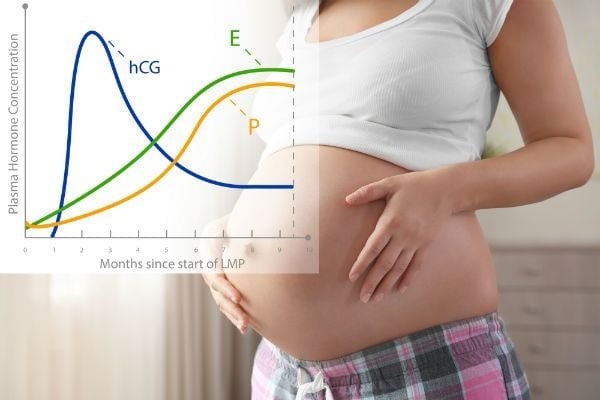
Key Hormones Produced During Pregnancy
1. Human Chorionic Gonadotropin (hCG)
Known as the “pregnancy hormone”, hCG is produced by the placenta soon after implantation. It helps sustain early pregnancy and triggers the production of other essential hormones like estrogen and progesterone. Rapidly increasing hCG levels are also responsible for that classic early symptom morning sickness!
2. Progesterone
Progesterone maintains the uterine lining, prevents premature contractions, and supports your growing baby. It also helps prepare your breasts for breastfeeding and plays a key role in relaxing your muscles and blood vessels throughout pregnancy.
3. Estrogen
Estrogen levels rise steadily, improving blood flow to the uterus and supporting foetal growth. It influences everything from breast tissue development to mood and helps your body prepare for labour.
4. Relaxin
The relaxin hormone softens ligaments and joints, especially around the pelvis, making your body more flexible for childbirth. It also helps prevent early contractions by keeping the uterus relaxed.
5. Oxytocin
Often called the “love hormone”, oxytocin stimulates contractions during labour and strengthens the emotional bond between mother and baby. It also promotes milk ejection during breastfeeding.
6. Prolactin
Prolactin prepares your breasts for milk production and supports lactation after birth. It helps ensure your baby gets the nourishment they need in those early days.
7. Human Placental Lactogen (hPL)
Produced by the placenta, hPL helps regulate your metabolism and ensures your baby receives enough nutrients. It also affects how your body uses insulin, making sure glucose is prioritised for the baby’s growth.
Week-by-Week Hormonal Changes During Pregnancy
First Trimester (Weeks 1–12):
- hCG skyrockets – doubling every 48 hours, often causing nausea.
- Progesterone rises – strengthening the uterine lining.
- Estrogen increases – promoting blood flow and early changes.
What You Might Feel: Fatigue, nausea, breast tenderness, mood swings.
Second Trimester (Weeks 13–26): The “Feel-Good” Phase
- hCG stabilises – symptoms ease, energy returns.
- Relaxin peaks – joints become more flexible
- hPL rises – metabolism adjusts for baby’s growth.
What You Might Feel: More energy, baby kicks, mild backache.
Third Trimester (Weeks 27–40): Preparing for Labour
- Estrogen and progesterone peak – readying your body for birth.
- Oxytocin increases – preparing for contractions and bonding.
- Prolactin rises – milk production begins.
What You Might Feel: Frequent urination, nesting instinct, mood swings
How Hormones Affect You Physically & Emotionally
1. Emotional & Mood Changes
Hormones like estrogen and progesterone can make emotions unpredictable. Feeling happy one moment and teary the next is completely normal. Gentle self-care, mindfulness and rest can help manage these shifts.
2. Skin, Hair & Nail Changes
- Estrogen boosts collagen, giving that “pregnancy glow.”
- hPL can increase oil production, occasionally causing acne.
- Hair may become thicker as hormones slow natural shedding.
3. Metabolism & Weight Changes
- hPL makes the body insulin-resistant to feed the baby efficiently.
- Progesterone slows digestion, leading to bloating or constipation.
- Thyroid hormones influence energy levels and appetite.
How Pregnancy Hormones Prepare You for Labour
- Oxytocin: Triggers contractions and strengthens maternal bonding.
- Relaxin: Softens the cervix and loosens ligaments for delivery.
- Endorphins: Natural pain relievers that help you stay calm and focused during labour.
What Happens to Hormones After Birth
Once your baby arrives, hormone levels shift rapidly:
- Estrogen & progesterone drop – may cause “baby blues” or temporary mood dips.
- Prolactin & oxytocin rise – supporting breastfeeding and bonding.
- hCG disappears completely – marking the end of pregnancy.
If mood changes persist beyond two weeks, seek professional advice as this may indicate postpartum depression.
How to Naturally Balance Pregnancy Hormones
Eat Hormone-Supporting Foods
Include:
- Omega-3s (salmon, walnuts) for brain and hormone health.
- Leafy greens (spinach, kale) for iron and folate.
- Protein-rich foods (eggs, beans) for steady energy.
Stay Active
Gentle walking, yoga and prenatal exercises support healthy circulation and reduce stress.
Prioritise Sleep & Hydration
Adequate rest keeps cortisol balanced, while hydration helps the body manage hormonal changes. Consult your doctor about prenatal vitamins and supplements.
Conclusion
Pregnancy hormones are nature’s way of nurturing new life, guiding every change, emotion and milestone. By understanding their roles, you can embrace this journey with confidence and self-awareness.
Remember, while hormone shifts can feel overwhelming, they’re temporary and purposeful working behind the scenes to protect you and your baby.
Pro Tip: Always consult your doctor if symptoms feel too intense. Your hormones are powerful but so is the support around you!
FAQs About Pregnancy Hormones
1. When do pregnancy hormones start working?
Hormones like hCG begin rising just days after conception and continue adjusting throughout pregnancy.
2. Why do pregnancy hormones cause mood swings?
Rapid hormonal changes affect brain chemistry, influencing emotions and energy levels.
3. Can diet affect hormone balance during pregnancy?
Yes, eating nutrient-rich foods helps maintain stable hormone levels and supports overall wellbeing.
4. When do hormones return to normal after birth?
Most hormones stabilise within a few weeks to months, depending on breastfeeding and recovery.