


Ovulation Calculator
Based on the date of your last menstrual period and the length of your typical menstrual cycle, discover which days you're most likely to be fertile and boost your chance of conceiving.
Your Ovulation Dates
When to try to get pregnant
If you’re trying for a baby, timing is everything. While you don’t need a biology refresher (we’ll leave the diagrams to the amateurs!), understanding when to have sex can make all the difference in boosting your chances of conception.
Your ovary releases an egg during ovulation, the ideal moment to become pregnant. However, you have a somewhat longer window for fertilisation because sperm can remain in the body for up to six days. The best chance of getting pregnant is to have intercourse in the days before ovulation and on the day of ovulation itself since the egg only survives for 12 to 24 hours after it is released.
If you’re unsure when you ovulate, tracking your cycle with an ovulation predictor kit, fertility app, or monitoring changes in cervical mucus can help. A little planning goes a long way, so relax, enjoy the process, and give nature the best chance to do its thing!
How we calculate your fertile window
Our ovulation calendar estimates your most fertile days based on the date of your last period and the average length of your cycle. To determine when you’re likely to ovulate, we count back 14 days from the expected start of your next period. Your fertile window includes the days leading up to ovulation and possibly one day after, giving sperm the best chance to meet the egg.
It’s important to remember that this method isn’t an exact science. Every woman’s cycle is different; even regular cycles can vary slightly from month to month. A typical cycle can last between 21 and 35 days, and pinpointing ovulation may be trickier if your periods are irregular. Tracking your cycle over time can help you better understand when you’re most likely to conceive.
An ovulation calculator helps you predict your most fertile days by estimating when you’re likely to ovulate based on your menstrual cycle.
Wondering when you are most fertile? It's typically during the five days leading up to ovulation, with peak fertility on the day of ovulation itself.
A fertility calculator helps you identify your most fertile days by tracking your cycle and predicting ovulation, making it easier to plan for pregnancy.
Ovulation symptoms
Your body gives subtle clues when you’re ovulating, and learning to recognise them can help you identify your most fertile days. One common sign is a slight dip in basal body temperature, followed by a rise once ovulation has occurred. Your cervical mucus also changes, becoming clearer, thinner, and more slippery, similar to raw egg whites, making it easier for sperm to travel.
You may also notice changes in your cervix, which becomes softer and opens up around ovulation. Some women experience mild cramps or a twinge of pain in the lower abdomen, while others notice an increase in sex drive. You can get little spotting and feel as though your vulva and vagina are enlarged. Even while these symptoms vary from woman to woman and may not occur every month, keeping an eye on these essential signs will help you track ovulation and improve your chances of becoming pregnant.
Tips for getting pregnant
If you’re trying for a baby and want to increase your chances of conceiving sooner, a few simple lifestyle changes can make all the difference. Here are some practical tips to help you along the way.
Take a Prenatal Vitamin
Start taking a prenatal vitamin at least a month before trying to conceive. Research has shown that women taking prenatal vitamins during fertility treatments were twice as likely to get pregnant as those only taking folic acid supplements. While there’s no guarantee, it’s an easy step that can support your fertility and your baby’s early development.
Understand when ovulation occurs and when to have sex.
Knowing when you ovulate can improve your chances of getting pregnant. Ovulation usually takes place halfway through a 28-day cycle, on day 14. Given that sperm can survive for a few days, having sex in the days just before ovulation increases your chance of getting pregnant.
Eat nutritious foods.
Your diet impacts reproductive health, so be sure to get adequate calcium, protein, iron, fibre, omega-3 fatty acids, and healthy fats. The chance of falling pregnant can be improved by eating a healthy diet that maintains hormone balance and improves reproductive health.
Keep Active
Exercise may increase fertility, so try to get in 30 minutes a day of moderate movement. Keeping active, whether it be through yoga, exercise, or a walk, supports general reproductive health and helps in maintaining a healthy weight.
Manage Stress Levels
Ovulation can be disrupted by stress, and it can even make implantation more challenging. Stress can be decreased and a more regular cycle supported by finding techniques to decompress and unwind, such as yoga, meditation, writing, or just taking a stroll.
Put Sleep First
Getting seven to eight hours of good sleep can help you become more fertile as well as regulate your cycle. Inconsistent periods have been related to poor sleep, which makes falling pregnant a challenge. Another important component of fertility is stress, which is reduced by sleep.
Cut Out Harmful Habits
If you smoke, now is the time to quit, smoking adversely affects fertility and makes conception more difficult. It’s also wise to limit alcohol and caffeine intake, keeping caffeine to no more than 200 mg per day (roughly one 12-ounce coffee).
Try a Fertility Tracker
Consider using ovulation test strips, hormone monitors, and basal body thermometers as they can help you learn more about your cycle.
Pro Tip:
Have patience while the process unfolds. Even in cases where everything is ideal, conception can take time. Prioritise maintaining your health, managing stress, monitoring your cycle, and having faith in your body's ability to repair itself.
frequantly asked questions
common questions asked about pregnancy ovulation calculator
How many weeks is pregnancy?
Pregnancy lasts 40 weeks from the start of your last period. It’s likely that you’ll give birth a little before or after 40 weeks, but this estimate helps healthcare providers time your prenatal care. Your due date may be adjusted if you have an ultrasound or testing that shows your pregnancy is further along than you thought.
how accurate are baby size comparisions?
Add Your Heading Text HereAdd Your Heading Text HereAdd Your Heading Text HereAdd Your Heading Text HereAdd Your Heading Text Here
when will i feel my baby move?
Add Your Heading Text HereAdd Your Heading Text HereAdd Your Heading Text HereAdd Your Heading Text HereAdd Your Heading Text Here
what if my symptons dont match what's expected?
Add Your Heading Text HereAdd Your Heading Text HereAdd Your Heading Text HereAdd Your Heading Text HereAdd Your Heading Text Here
latest from kidProduct
stay updated with our latest product reviews, safety guides, and expert recommendations
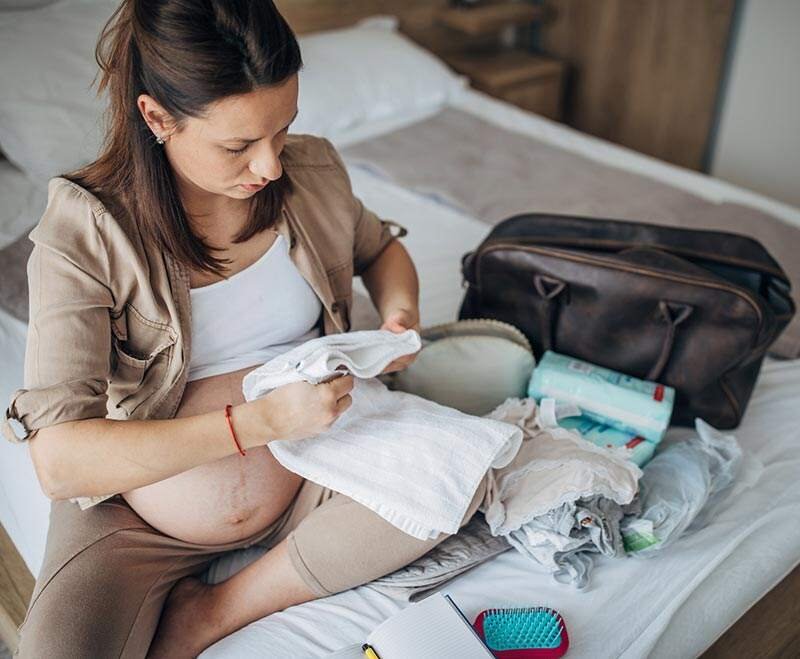
Essentials for Mum Start with the most important items, your hospital notes and any relevant...
Understanding Pink Discharge During Pregnancy Noticing pink discharge during pregnancy can be concerning, but it’s...
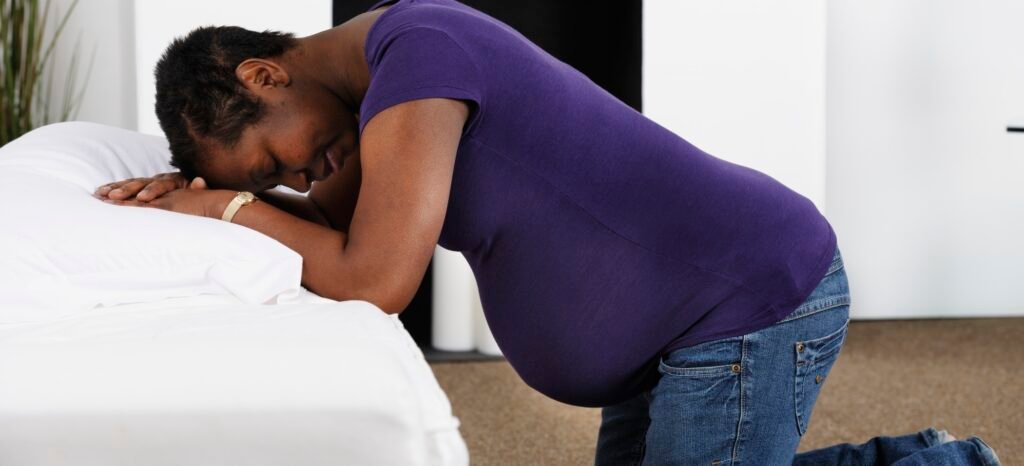
Early Signs of Labour 1. Lightening (Baby Dropping) One of the first signs that labour...
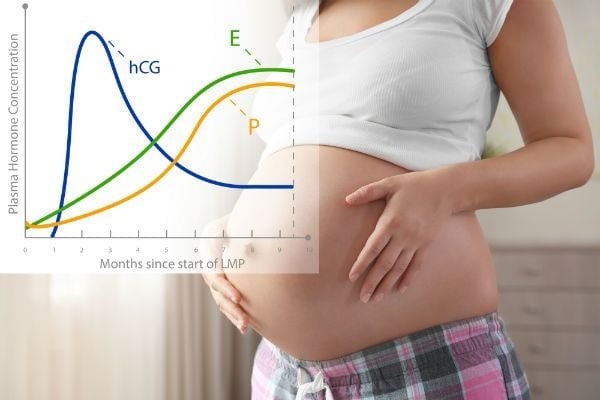
Key Hormones Produced During Pregnancy 1. Human Chorionic Gonadotropin (hCG) Known as the “pregnancy hormone”,...